


very solid and reliable company 👌I RECOMMEND💪


Clear costs, no surprises
We perform expert crack stitching in Stoke Gifford to restore the structural integrity of buildings of various ages and conditions.
Done right, no shortcuts.
If your property in Stoke Gifford has developed noticeable cracks due to ground movement or subsidence, crack stitching serves as a reliable and enduring structural remedy. Instead of demolishing and rebuilding the affected walls, crack stitching binds the masonry together using helical bars embedded within the mortar beds and secured with resin. This method becomes essential when a structural engineer has confirmed movement and a precise, non-invasive correction is necessary.
Those preparing for a house extension, loft conversion, or major renovation often uncover hidden structural problems as initial work begins. Conducting crack stitching at this stage ensures the current building fabric is sound prior to introducing new loads. Tackling movement cracks and separation in bay windows through crack stitching before starting construction is not just prudent; it is vital for the stability of the entire project.
For landlords managing HMOs or property portfolios in Stoke Gifford, neglecting structural decline poses both financial and legal risks. Crack stitching addresses bulging walls and movement cracks efficiently, without the chaos typically associated with extensive reconstruction. We provide crack stitching as part of a broader maintenance and renovation framework, offering property owners a single contractor to handle all repair aspects.
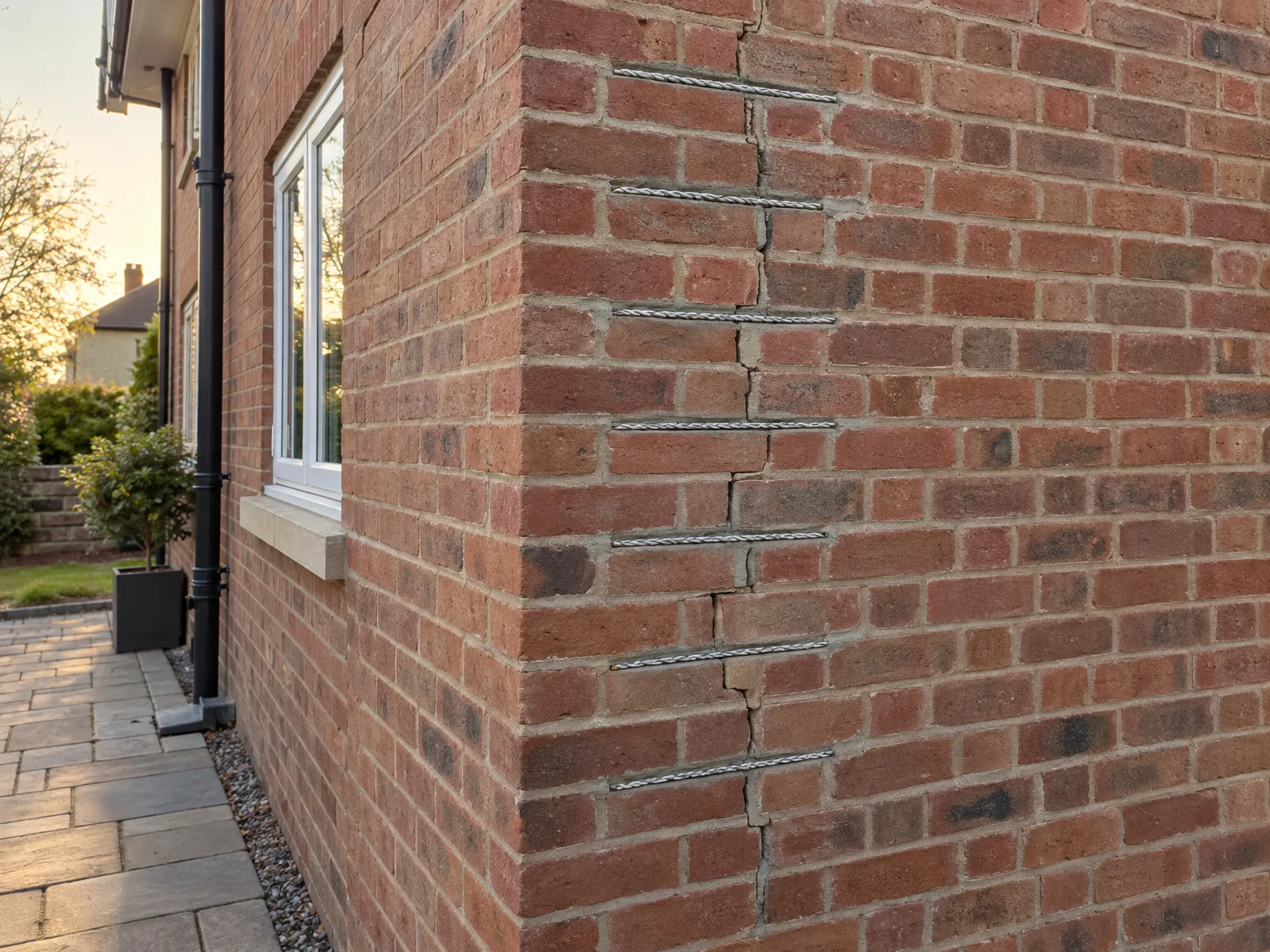

We conduct crack stitching by embedding helical bars directly into the mortar beds throughout the impacted areas, securing them with resin and pointing them to restore the wall's integrity without necessitating a rebuild. This method is applied to subsidence cracks, movement cracks, bay window separations, and bulging walls, always adhering to any structural engineer's reports provided. Crack stitching reestablishes the masonry at a structural level, focusing on the issue rather than merely covering the surface. The end result is a wall that performs as it should, with the repair remaining inconspicuous once finished.
Each crack stitching project we undertake in Stoke Gifford is evaluated on its own merits, with the work's extent based on the nature and severity of the existing structural movement. Helical bars will be installed at optimal intervals across the crack, with resin set into place, followed by resealing the mortar bed to match the existing finish. Where a structural engineer’s report is available, we carry out crack stitching strictly according to their recommendations, ensuring compliance and accountability throughout the process. This disciplined approach reflects the precision we apply at every stage of structural repair.
Crack stitching repairs compromised masonry by securing helical bars across fractures with resin, restoring the wall's load-bearing function without demolition.
After completed crack stitching, any further movement through affected masonry is effectively stopped, preventing deterioration and safeguarding the overall structure.
The repair process is executed with care, leaving the wall surface largely untouched after pointing, ensuring the intervention is discreet and that the property continues to be functional throughout the work.
Crack stitching is highly effective for subsidence cracks, bay window separations, and bulging walls, particularly where a structural engineer's report has established the specifics of the movement.
Addressing structural cracks before commencing renovations or extensions guarantees all subsequent work rests on a stable, properly repaired base, highlighting the thorough and meticulous approach we uphold.

Heavy equipment needs unhindered access. When executing crack stitching in Stoke Gifford, we require cleared pathways around garden beds and exterior water taps to run dust suppression tools properly without snagging hoses. Moving potted plants, garden benches or lean-to storage boxes away from the perimeter before our arrival stops accidental scuffs from heavy steel scaffolding boards and masonry cutters. Climbing shrubs like ivy must come down completely. Thick roots cling inside aged brickwork beds. Removing dense greenery ahead of our visit allows clean cuts straight into bedding planes without jamming rotary raking blades.
Fine red grit travels quickly. While mortar cutters run on wet vacuums to pull slurry directly from joints, masonry chasing inevitably throws powder across nearby window ledges, open vents and car windscreens parked along private driveways. Sealing air bricks with breathable tape keeps airborne debris out of crawl spaces beneath internal floorboards. Shut nearby casement windows tight. Move vehicles onto the lane. Washing down splash marks on paving flags happens right after the reinforcing metal beds into curing compounds.

We start by meticulously examining the affected masonry, looking closely at the crack patterns, their severity, and any structural engineer's report available to clarify the exact scope of necessary crack stitching works.
Our skilled team carefully removes the mortar along the crack line, clearing the joints to the appropriate depth and ensuring a clean, stable surface for the helical bars.
Helical bars are set across the crack at selected intervals and affixed with structural resin, establishing a continuous link that draws the masonry back together without needing demolition.
Once the resin has cured and the crack stitching is structurally sound, mortar joints are pointed over to match the surrounding surface, resulting in a clean, discreet repair fully integrated with the existing wall.
A thorough inspection of the completed work is performed before handover, ensuring that the masonry is stable, the repair meets required standards, and the client receives a comprehensive record of the work completed.
Dry bricks suck binders too fast. Constant wet weather prevents resin adhesives from bonding inside cracked clay units, so we erect heavy polythene covers over exterior elevations during winter damp. When scheduling crack stitching in Stoke Gifford during sudden downpours, exposed bed joints must be shielded thoroughly to let structural grouts set without washing away onto patio slabs.
Cold mortar turns brittle instantly. Sub-zero nights freeze water trapped inside unhardened anchor compounds, cracking fresh mortar profiles along fractured gable ends before tensile rods gain their strength. Chilly spells mean using insulated foil tarpaulins over repair bands until chemical reactions finish curing inside the stone courses. Frozen bricks reject bonding materials completely.

Electric cables often sit behind outer brick courses. Running metal detectors across internal plaster prevents diamond blades slicing concealed security alarm feeds or exterior floodlight wiring buried near decorative corner quoins. We always isolate domestic power rings before grinding into joint beds. Slicing cables halts repairs immediately.
Cast-iron rainwater pipes usually obscure step fractures along building corners. Unbolting pipe collars and propping downpipes away from wall sections gives masonry saws direct access, which is essential because crack stitching in Stoke Gifford frequently tackles fractures spreading behind leaking hopper heads. Leaving old brackets loose ruins channel alignments during deep chasing passes.
Boiler balance flues penetrate masonry panels directly beside window reveals. Vibrations from mechanical joint rakers shake fragile asbestos seals or flexible aluminium flue liners inside old cavity voids, so we monitor indoor appliance positions before cutting into joint channels. Sealing exhaust exits prevents stray abrasive silica from entering boiler chambers. Blocked flue terminals trigger dangerous system shutdowns.
If you’ve noticed movement cracks, bay window separations, or bulging masonry, crack stitching is very likely the right direction to take. We carefully evaluate each situation, referring to structural engineer reports when available, and recommend crack stitching solely when the evidence backs it up. With extensive structural experience, we recognize the difference between superficial flaws and real structural risks, addressing each case with care.
From the initial evaluation to the final pointing finish, we manage crack stitching entirely within our team. We ensure each stage is coordinated, confirming that helical bars are set properly, resin is anchored, and wall surfaces are restored to a neat, professional standard. Should crack stitching be part of a larger renovation or extension, we seamlessly incorporate it into the overall plan, removing uncertainties and ensuring accountability at every step.
We work in Stoke Gifford and the surrounding region, ready to assist you with crack stitching. For a free estimate or consultation, contact us by phone or message.
< 10 milesDistance from our base · Henbury
Call us+44 7723 542170Email usinfo@muchaconstruction.co.ukWe serve your areaStoke Gifford and the surroundings
The Google map loads after you accept marketing cookies.
very solid and reliable company 👌I RECOMMEND💪
Big recommendation for Mucha Construction. Proper honest lads, very professional and the standard of work is spot on. Always reliable, clean and easy to deal with. Definitely recommend to anyone looking for quality building work

I would highly recommend Mucha Construction for, amongst other reasons, their professionalism, friendliness and can do attitude. They have provided their services very promptly and to a very high standard. I will definitely use their services in the future and so should you!

Our Services
One team, from groundworks to final finish. New builds, extensions, loft conversions and full renovations.

New homes built to the engineer's calculations and signed off at every stage.
See more
House and kitchen extensions that add space, light and lasting value.
See more
Dormer, hip-to-gable and mansard conversions that turn lofts into rooms.
See more
Full renovations and modernisations, from HMOs to tired homes made new.
See more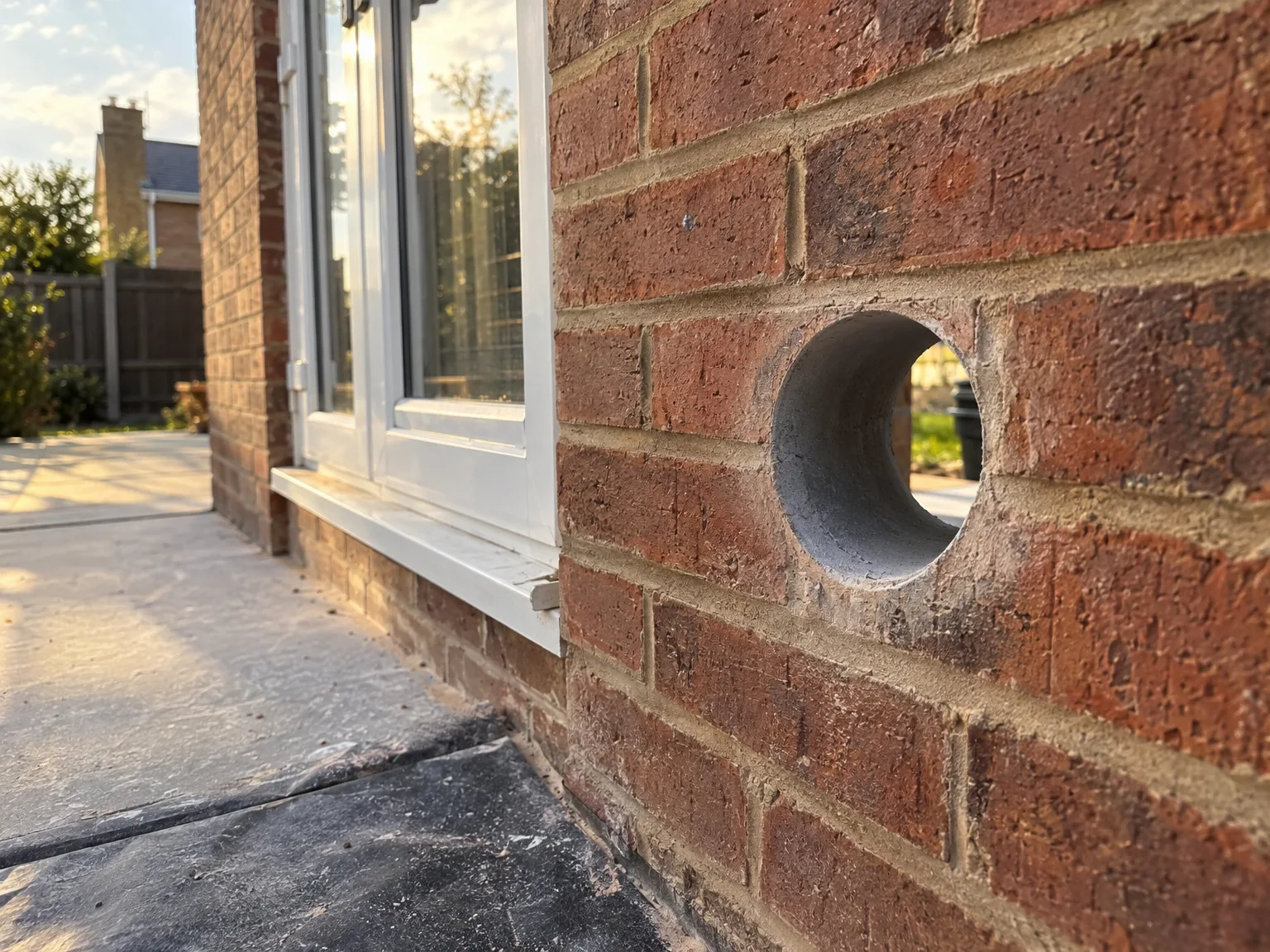
RSJ installation, core drilling and crack stitching, built to proper standards.
See more
Kitchens, bathrooms and wet rooms finished with care and clean detail.
See more
Plumbing, electrics, ventilation and heating handled by one coordinated team.
See more
Ongoing building maintenance for landlords, investors and managed properties.
See moreOUR PROJECTS
Each project by our Construction Company leaves clients with refined spaces, enduring quality, and elevated comfort.
Mucha Construction Ltd delivers Construction Company services within a precise 20-mile radius of Bristol.
Ask if they can provide engineer calculations, verify Building control sign-off history, and show verifiable Logo Google records. Reliable trades explain how anchoring grout behaves differently from standard sand-cement mortars and show previous structural projects involving cracked brick skins.
Yes, because water inside anchoring resins crystallises below freezing, halting the curing reaction. Work stops during hard frosts unless heated enclosures protect the masonry, which occasionally affects homes across Stoke Gifford during colder winter periods.
The tradesperson conducts a tactile inspection, checking that pointing aligns with existing courses and taking photos of resin depths. You inspect the cleaned site together, confirm cables remain intact, and receive written care instructions for newly pointed joints.
Take wide images showing the whole elevation, plus close shots holding a coin against the fissure for scale. Note if doors stick or if nearby trees push paving, because ground changes explain how stress travels through the outer wall skin.
